news
Madhav on AI-First Retail Transformation at Libas
The hardest part of going omnichannel isn't the technology. It's the moment you realize your CRM, ERP, WMS, and POS are all speaking different languages — and your team is stuck translating manually i
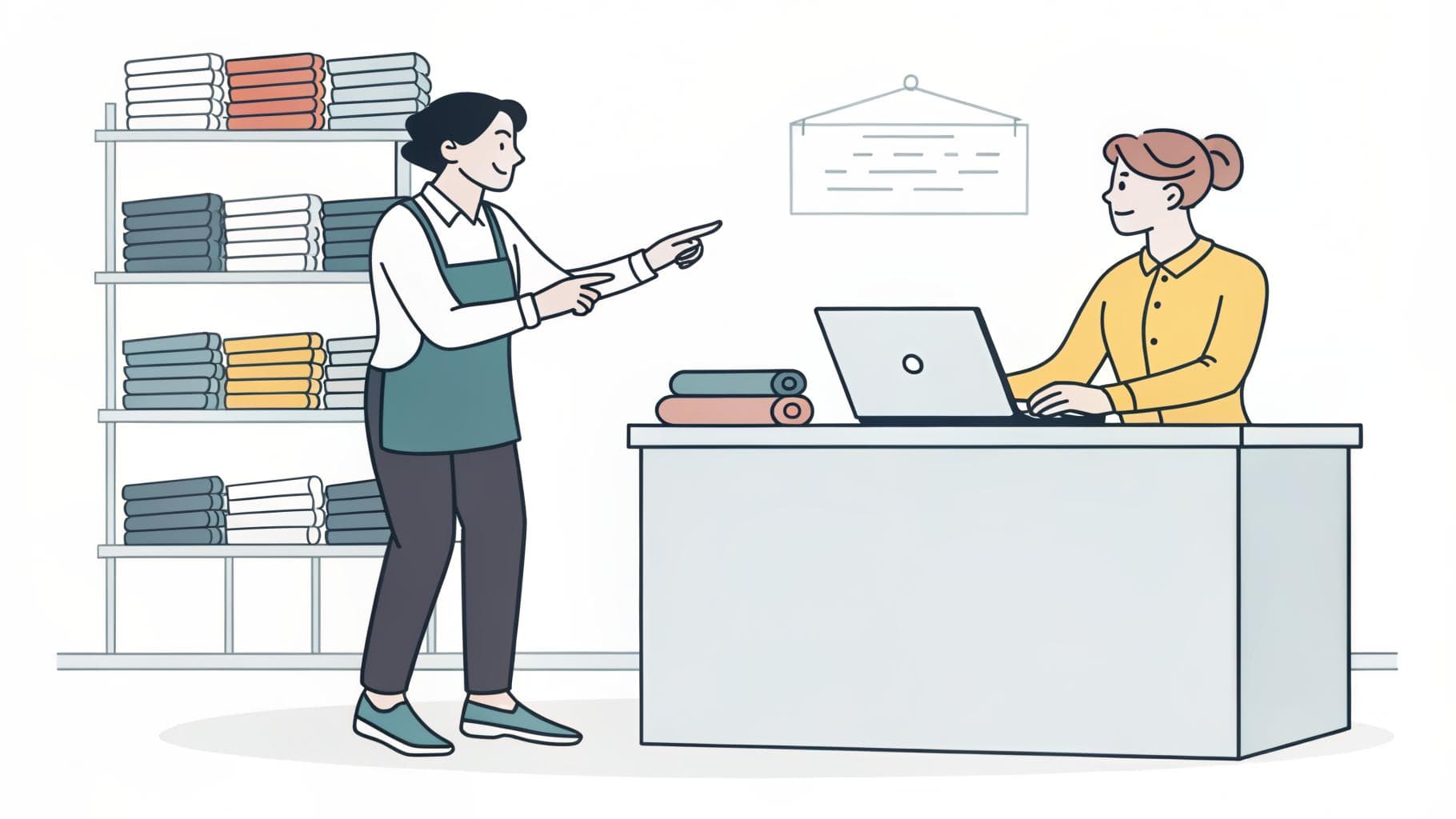
The hardest part of going omnichannel isn't the technology. It's the moment you realize your CRM, ERP, WMS, and POS are all speaking different languages — and your team is stuck translating manually in the middle.
Libas, the Indian fashion brand, just went through exactly this. Their tech lead Madhav broke down what it actually took to build a working omnichannel and D2C ecosystem — and the honest answer was that integrating these systems was the brutal part. Not the AI. Not the customer experience layer. The plumbing.
If you're a mid-market ops or marketing leader, this should sound familiar. You've probably duct-taped a CRM onto an ERP that wasn't designed to talk to it, watched data fall through the gaps, and ended up with a customer record that's half-accurate at best. The consultants said they'd fix it. They didn't. Or they did, until something changed.
What Libas figured out — and what most businesses learn too late — is that the integration problem doesn't go away by switching platforms. It goes away when your CRM is built around how your actual data flows, not how a vendor assumed it would.
One more platform switch won't fix a structural mismatch between your systems and your operations.
#CRM #Omnichannel #RetailOperations #DigitalTransformation #MidMarket
Original Source
In building an omnichannel and D2C tech ecosystem, what were the toughest integration challenges across ERP, WMS, POS, and CRM systems? One of our ...